Driefontein Expropriation: City escalates lawfare to avoid compensation
The City of Ekurhuleni's latest developments around expropriation without compensation.


Ekurhuleni municipality, a city east of Johannesburg, is escalating lawfare to avoid paying compensation to the former landowner in the Driefontein expropriation-without-compensation case.
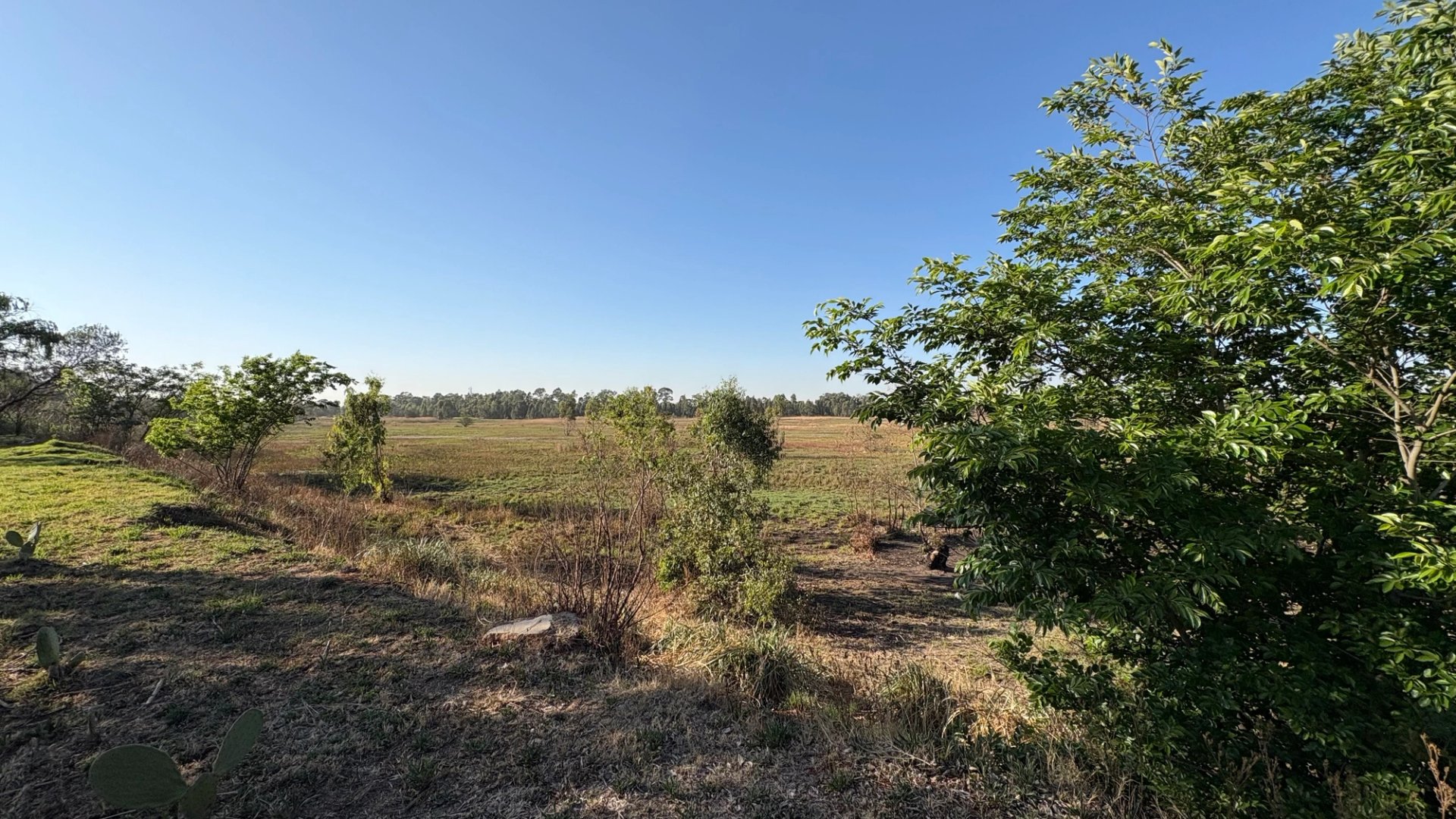
Farm Driefontein Portion 406, worth upwards of R30m at the time of expropriation in 2019, received prominence in September 2025 after Sakeliga highlighted that the ANC-controlled city expropriated it without compensation in a deliberate effort to set a precedent for land expropriation in South Africa.
Since September, the city has jeopardised mediation and continued refusing to pay compensation for its expropriation of the property. It is now trying to block the matter going to trial through additional protracted lawfare, hoping to avoid a court order forcing them to compensate the former owner.
After the ensuing local and international scrutiny, the municipal council was advised late last year by its Risk and Legal Services department that it would be “a difficult task to convince the court to uphold nil compensation” for this test case.
The Risk and Legal Services department pointed out that, should the trial continue, the court would likely order the municipality to pay compensation because the expropriation happened under the Expropriation Act of 1975, which “did not make provision for nil compensation”, unlike the new Act signed by President Cyril Ramaphosa in December 2024, which “expressly makes provision for expropriation without compensation.”
Mediation fails as city seeks alternative ways to avoid compensation
Last year, the court ordered the matter to go to mediation starting 31 October 2025, failing which it would be heard in an 18-day trial starting 2 February 2026.
Despite weeks of mediation, the municipality not only brushed aside settlement offers from the former property owner, Business Venture Investments 900, but, consorting with its legal team on the sidelines of the mediation, clutched for any legal straw that could also prevent the matter from going to trial in February.
Finally, in December 2025 and almost seven years after the fact, the municipal council found a straw to clutch at, resolving desperately to “rescind” its 2018 expropriation decision.
To legitimise this “rescission”, the municipal council also resolved to start a new court case to review its own initial expropriation decision, effectively blocking the former owner from going to trial on compensation, likely delaying matters for several additional years.
In short, the Ekurhuleni municipality aims to have its own act of expropriation of Driefontein set aside (effectively unwound) to sidestep an unfavourable judgement on the ‘nil compensation’ aspect, avoiding both a financial blow to the municipality as well as a legal and political setback to its clearly expressed and ongoing plans to expropriate property without compensation.
In its subsequent review application, the city now misleadingly seeks to convince the court that its decision to rescind was based on the supposed unsuitability of Driefontein for development, rather than the city’s ulterior and desperate legal motives.
It fails to inform the court that:
- Its municipal council had decided from the outset in 2018 to use Driefontein as a “test” case for “expropriation of land without compensation” and is now resorting to its legal circumvention tactic only after being advised that going to trial would mean being forced to pay compensation;
- The Ekurhuleni municipality in 2018 itself approved the former owner’s application for residential development, and in 2017 valued the land at R26.5m and taxed it accordingly; and
- The property’s alleged diminished suitability for residential development (supposedly discovered in May 2025) is, if correct, attributable at least in part to the municipality’s own failures to prevent illegal mining and counter sinkhole development on neighbouring municipal properties, coupled with flawed development plans and inadequate environmental reports that it did not even once attempt to rectify.
The city’s latest step is more than a desperate, mala fide (bad faith) attempt to save face. It is also a strategy of expropriation without compensation by other means by causing the former owner of Driefontein millions more in legal expenses and years more deprivation in realising fair value for their former property asset.
Moreover, it shows a stubborn commitment to the general policy of expropriation without compensation for other properties and a reckless disregard for the well-being of private property owners. The municipality’s Divisional Head of Specialised Legal betrays this recklessness by stating in the city’s founding affidavit, regarding compensation for the property and for any potential claim of damages by the former owner: “I must emphasise that the Municipality expressly repudiates any view that compensation is due”.
Aligning expropriation with national government policy
The Ekurhuleni municipality’s actions present evidence of a tactical retreat in order to secure more favourable legal grounds for future instances of expropriation without compensation. Its approach is coming into alignment with the stated policy of the National Government, which is to apply expropriation without compensation only once the new Expropriation Act of 2024 takes effect on a date to be promulgated by President Cyril Ramaphosa.
As recently as November 2025, South African Deputy President Paul Mashatile proclaimed in Parliament that the government's "only challenge is that we need to move faster," adding that he is "happy to report that we are beginning to see a much faster movement" on land expropriation.
On 10 January 2026, Fikile Mbalula, the Secretary-General of the ANC, the leading party in the coalition government, declared at a party rally in Rustenburg that "expropriation of land without compensation when we get back our power must be implemented."
Many more years of litigation and millions in expenses
In response to the city’s attempted circumvention of justice, the former owner’s legal team has indicated that it is disappointed and frustrated that every attempt to secure a settlement with the Ekurhuleni municipality has failed. Practically speaking, however, the city’s mere application – even devoid of merit as it stands – has forced the former owner to accept that trial cannot commence on 2 February 2026 as scheduled. Absent external factors brought to bear on the municipal council, the former owner of Driefontein now needs to determine whether to oppose this additional and vexatious legal process designed to draw matters out for many years.
Even if the municipality’s application for review of its original decision were somehow to receive the unlikely blessing of the courts, it would not restore justice for the former owner.
- Firstly, illegitimate as it is, the review strategy by the city will now easily add several years to the litigation burden for the former owner, leading to millions more in legal expenses as well as valuable time and attention to the matter.
- Secondly, the new phase of review litigation will be in addition to legal costs already incurred running into the millions, the ongoing loss of a substantial asset worth upwards of R30m for seven years and counting, and outstanding interest owed by the Ekurhuleni municipality since the date of expropriation, which itself amounts to millions. Conservatively estimated, the total financial impact now exceeds R55m ($3,5m).
Moreover, had the former owner not been expropriated, the property could by now have been residentially developed and worth orders of magnitude more. It would also have been untainted by political controversy and the risks of illegal mining, unlawful occupation, and subsequent sinkhole development on neighbouring municipal land.
Sakeliga preparing litigation
Sakeliga and our partners are preparing litigation against the new Expropriation Act of 2024 for precisely the reason that it facilitates confiscation of land without compensation, in contrast to the 1975 Act. Sakeliga is monitoring the Driefontein matter, but not a party to it.

Help us secure a flourishing economy
You can restore economic order by funding our work.