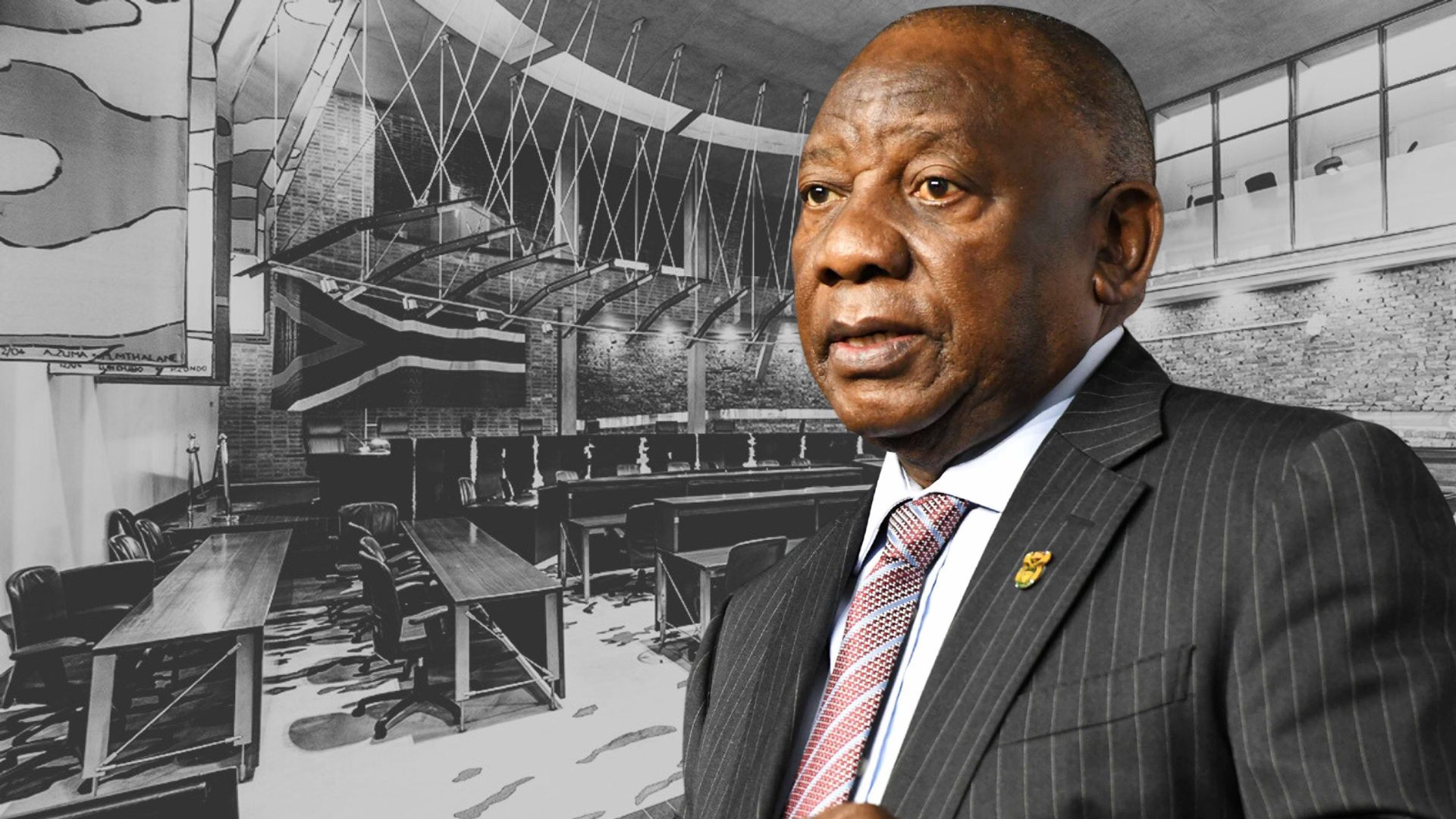
Employment Equity: Courts fail to acknowledge urgent harm of race quotas
Sakeliga and NEASA will continue with comprehensive litigation against the Employment Equity Amendment Act.


Local and international businesses operating in South Africa should ready themselves for several years of tough resistance to the state’s race-restrictive hiring quotas, amid ongoing litigation by Sakeliga and NEASA.
The new quotas, issued under the country’s amended Employment Equity Act last year, cap jobs for white men at as little as 4% in several industries, and generally under 20%. They currently apply to all businesses with 50 or more employees (with the threshold sure to be lowered in time) and are required to be met progressively within five years.
Last week, South Africa’s Supreme Court of Appeal (SCA) joined the country’s Constitutional Court in dismissing leave to appeal the High Court’s failure last year to grant Part A of Sakeliga and NEASA’s court application. In that judgment, the court declined to grant an urgent interdict against the Employment Equity Act’s new quota system prior to the September 2025 implementation.
This failure of the courts exacerbates harm to companies and employees of all race groups. It highlights the need for firm resistance by businesses facing impossible quota requirements in the run-up to the outcome of a lengthy and uncertain court battle over the constitutionality of the regulations.
While Sakeliga and NEASA are considering legal options relating to the dismissal of Part A of our application, we are continuing with Part B. Part B seeks to review and set aside the employment equity amendments and the regulations prescribing the hiring quotas.
It is regrettable that the courts took more than 6 months to deliver a judgment on the urgent interdict application. The slow, tedious process contributed to and exacerbated production losses for businesses that, instead of focusing on wealth creation, had to weigh their exposure to findings of non-compliance with the state's spreadsheet-based race calculations.
In their decisions, the Constitutional Court and SCA have implicitly failed to acknowledge - and perhaps to grasp - the tremendous compliance costs, business planning risks, investment deterrence, and hiring avoidance entailed in such a radically disruptive policy, which may yet be overturned upon full judicial review. If overturned, these considerable costs and those of defensive company restructuring efforts would have been incurred needlessly and entail further costs to rectify.
Substantive constitutional challenges continue
Sakeliga and NEASA's review application in Part B may take several years to finalise, both because of full court rolls and unlawful delays by the Department of Employment and Labour. In a notable development to counter the Department’s delays, the court on 9 March made an order to compel the minister to deliver the record within 10 court days, failing which she may be held in contempt of court.
Because of the unwillingness of the courts to grant an interim interdict, the state will now continue trying to impose its race-restrictive and irrational employment policies on productive businesses pending Sakeliga and NEASA's constitutional challenges against the Act.
During this time, businesses should consider our recommendations on maximum appropriate non-cooperation with that which is harmful and unethical, as well as obtaining the assistance of NEASA in developing a tailored strategy to minimise the impact of the regulations. Their advice is available here.
Damaging consequences of the EE-quotas
The Employment Equity quotas require most employers with 50 or more employees, including multinational businesses, to restructure their workforce to match the country's racial and gender demographics. These requirements are impossible for most businesses to comply with, and the consequences of continued enforcement will be severe.
The quotas compel employers to make hiring and promotion decisions based on race, undermining productivity, eroding institutional knowledge and trust, and driving skilled workers out of companies and out of the country.
For businesses in specialised sectors such as mining, engineering, financial services, and technology, the quotas bear no relation to the available labour pool and cannot be met without fundamentally compromising operational capacity.
Meanwhile, in numerous sectors staffed almost entirely by men or women, the quotas make gender hiring demands that could only be described as absurdly impossible.
Foreign-owned businesses operating in South Africa with 50 or more employees are considered ‘designated employers’ under the Act and must comply with the same racial quotas, regardless of their home country's laws and statutes that might prohibit racial profiling in their workforce.
The Employment Equity Amendment Act, if left unchallenged and if implemented strictly, will deeply damage South Africa's private sector in the attempt to restructure it along racial lines determined by the state. It will drive away investment, destroy jobs, and hollow out the productive capacity that sustains communities across the country. The Act imposes on employers an unethical obligation that is irrational, unworkable, and unconstitutional.

Help us secure a flourishing economy
You can restore economic order by funding our work.